
By AgriGanda – Kampala, Uganda
Onion (Allium cepa) is a high-value vegetable crop with strong demand across Uganda. While its cultivation can be challenging in humid and rainy conditions, following scientific practices can lead to excellent yields and profitability.
⸻
- Suitable Varieties for Uganda’s Climate
In humid regions, choosing the right variety is essential to minimize disease pressure and ensure good bulb development.
Recommended hybrid and open-pollinated varieties:
• Red Creole (open-pollinated, moderately tolerant to humidity)
• Jambar F1, Red Passion F1, or Neptune F1 (hybrids with better tolerance and yield potential)
⸻
- Seed Rate and Nursery Establishment
• Seed rate: 4–6 kg per acre
• Use a raised nursery bed, 1 meter wide, to improve drainage
• Apply ash and compost; treat seeds with fungicide before sowing
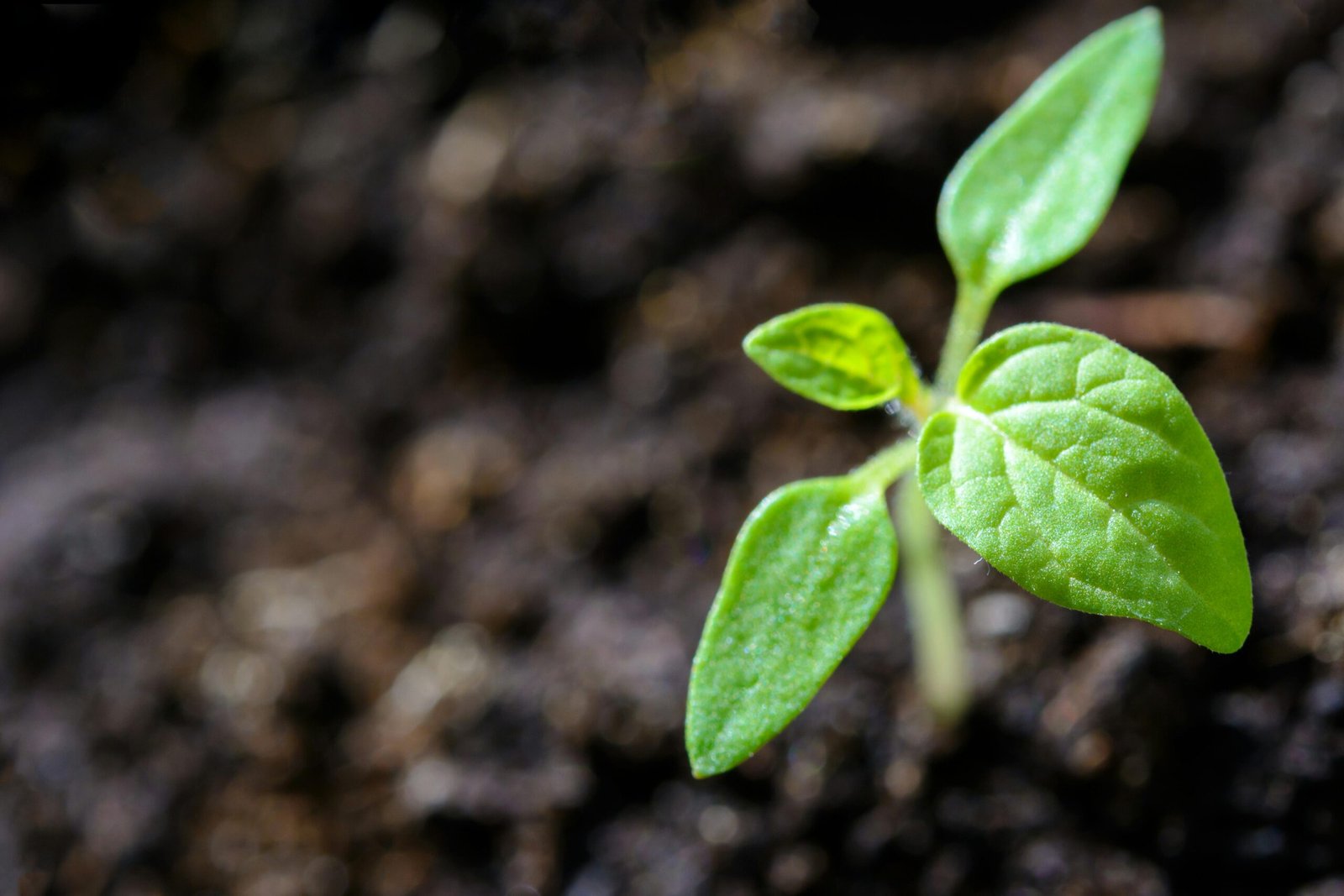
• Transplant seedlings when they are 6–8 weeks old and pencil-thick
⸻
- Field Spacing and Plant Population
Recommended spacing:
• Between rows: 20–25 cm
• Between plants: 8–10 cm
• Plant density: ~160,000 to 200,000 plants per hectare (65,000–80,000 per acre)
Avoid overcrowding to reduce fungal disease risks in humid conditions.
⸻
- Soil Preparation and Fertilization
Onions prefer loamy, well-drained soils with a pH of 6.0–6.8
Basal Application (at transplanting):
• Apply DAP at 100–150 kg/acre
Top Dressing:
• CAN or Urea: 2–3 weeks after transplanting
• NPK 17:17:17 during bulb formation
• Potassium Sulphate to boost bulb size and storage quality
Organic option: Add well-rotted manure or compost (5–8 tons/acre) before transplanting
⸻
- Irrigation Management
Onions require consistent but not excessive moisture, especially during bulb formation.
• Use drip irrigation for precise water delivery
• Avoid waterlogging, which causes root rot
• In rainy seasons, ensure good drainage and raised beds
Critical stages for water:
• Immediately after transplanting
• During bulb expansion
• Reduce irrigation before harvest to improve bulb drying
⸻
- Weed and Pest Management
Common pests:
• Thrips (main threat in onions)
• Onion flies
• Cutworms
Control:
• Use neem-based biopesticides or insecticides like:
• Spinosad
• Lambda-cyhalothrin
Weed control:
• Mulching with straw or grass suppresses weeds and retains soil moisture
• Use selective herbicides or manual weeding regularly
⸻
- Disease Management in Humid Conditions
Major diseases in wet climates:
• Downy mildew
• Purple blotch
• Neck rot
Preventive measures:
• Good air circulation (proper spacing)
• Crop rotation (avoid replanting onions in the same field for 2 years)
• Fungicide sprays:
• Mancozeb
• Azoxystrobin + Difenoconazole
• Copper-based fungicides
Spray every 7–10 days during high humidity periods.
⸻
- Harvesting and Post-Harvest Handling
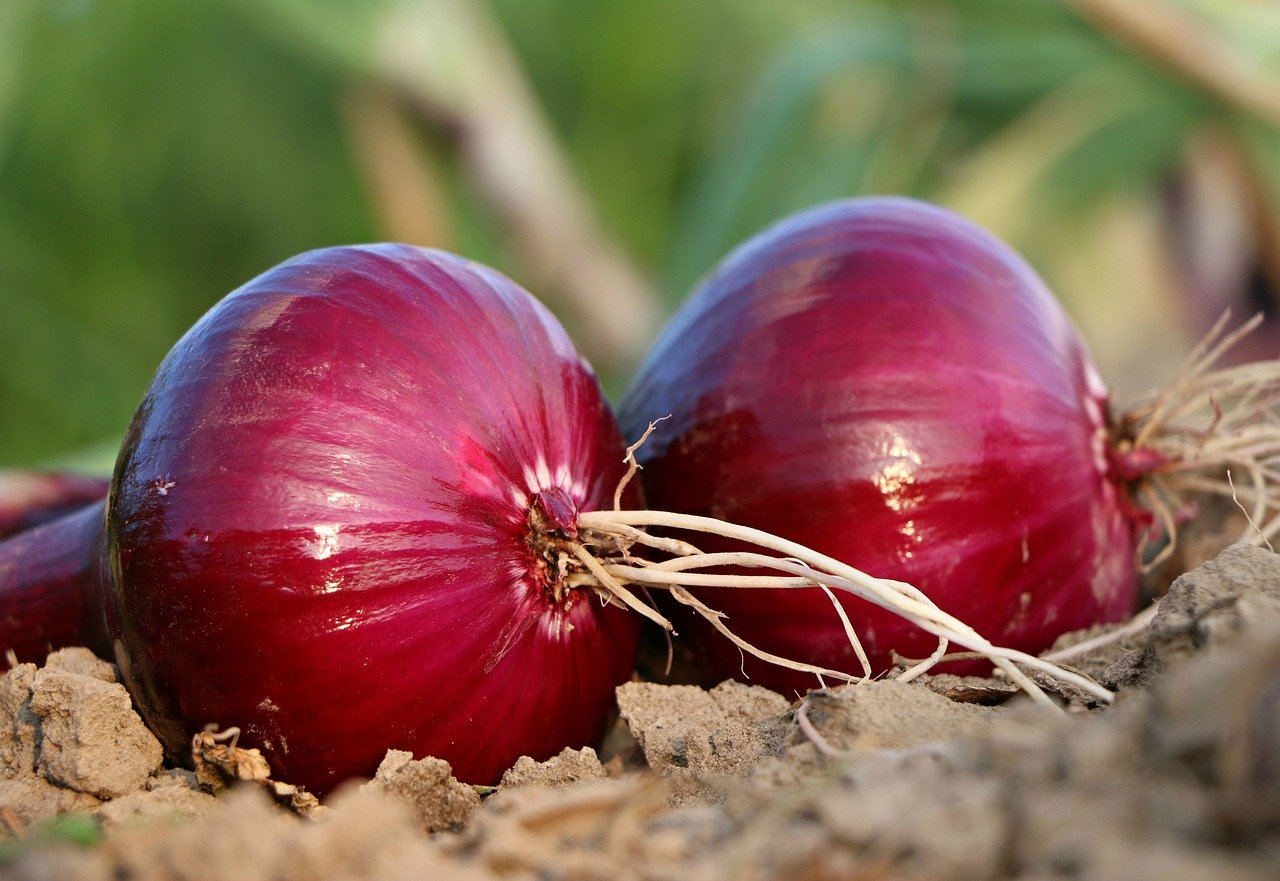
• Harvest when 70–80% of tops fall over naturally (usually 90–120 days after transplanting)
• Cure bulbs in a dry, well-ventilated area for 7–10 days
• Remove dry leaves and roots, then store in mesh bags or slatted crates
Storage tip: Keep in a cool, dry, shaded area with good ventilation
Avoid storing wet bulbs – this encourages rotting
⸻
Conclusion
Onion farming in Uganda’s humid and rainy regions can be highly profitable when approached with the right scientific methods. Variety selection, water management, proper spacing, and disease control are the pillars of success.
At AgriGanda – Kampala, we support farmers with premium seeds, expert agronomic advice, and crop protection solutions tailored to Uganda’s conditions. Let’s grow better, together.